
Ground-breaking discovery finally proves rain really can move mountains
A pioneering technique which captures precisely how mountains bend to the will of raindrops has helped to solve a long-standing scientific enigma.
A pioneering technique which captures precisely how mountains bend to the will of raindrops has helped to solve a long-standing scientific enigma.

PhD researcher Sam Briggs successfully summed up his research into the chemical origins of life to win the University of Bristol’s Three Minute Thesis competition, which challenges postgraduate students to present years of work that go into a PhD thesis in just three minutes.
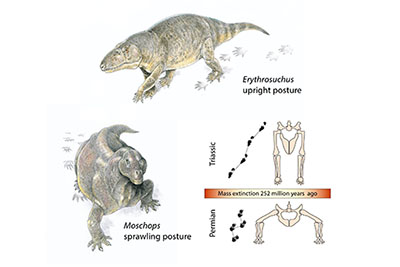
Mammals and birds today are warm-blooded, and this is often taken as the reason for their great success.

Ancient frog relatives survived the aftermath of the largest mass extinction of species by feeding on freshwater prey that evaded terrestrial predators, University of Bristol academics have found.
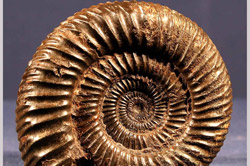
Years of research on the evolution of ancient life, including the dinosaurs, have been questioned after a fatal flaw in the way fossil data is analysed was exposed by scientists from the universities of Reading and Bristol.

Fresh evidence from a series of expeditions to North Greenland have led palaeontologists to solve an age-old mystery about a distinctive group of arthropods.
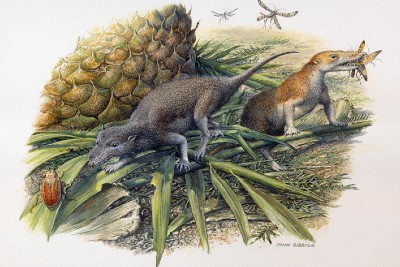
Pioneering analysis of 200 million-year-old teeth belonging to the earliest mammals suggests they functioned like their cold-blooded counterparts - reptiles, leading less active but much longer lives.

Habitat degradation poses a greater risk to the survival of turtles and tortoises than rising global temperatures, according to new research.
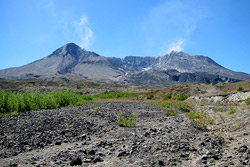
A study of how crystals moved in magma under the Mount St Helens volcano before the 1980 eruption may have signalled that an eruption was probable. Scientists say that similar measurements may indicate the possibility of eruption in some other, well-studied volcanoes, but caution that this is not a technique which could be applied to every volcano.
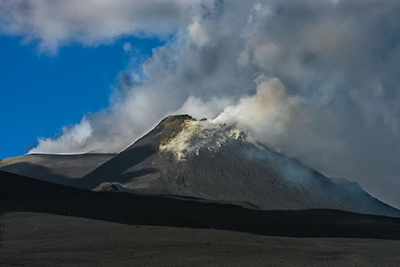
In a new study of volcanic processes, Bristol scientists have demonstrated the role nanolites play in the creation of violent eruptions at otherwise ‘calm’ and predictable volcanoes.