
Gigantic, meat-eating dinosaurs didn’t all have strong bites
New research analysing the bite strength of 18 species of carnivorous dinosaurs has shown that predatory dinosaurs followed different evolutionary paths.
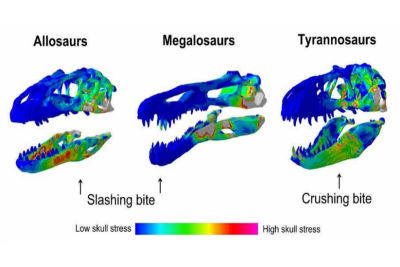
New research analysing the bite strength of 18 species of carnivorous dinosaurs has shown that predatory dinosaurs followed different evolutionary paths.
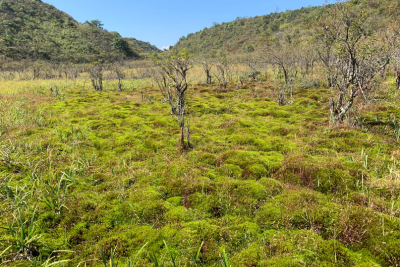
As the climate warms and regional drying becomes more frequent, peatlands – some of the planet’s most important carbon sinks – are increasingly under threat. But a study, led by an international team including scientists from the University of Bristol, has shown peatland ecosystems may have a natural defence through the combined forces of plant changes and microbes.
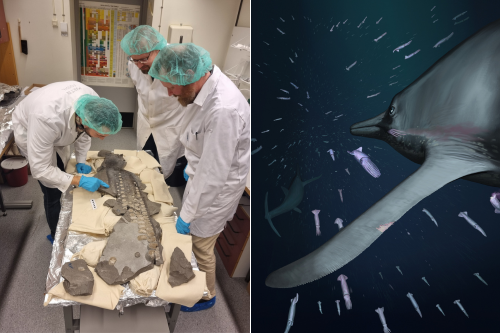
A new study has uncovered evidence that a giant marine reptile from the Early Jurassic period used stealth to hunt its prey in deep or dark waters – much like owls on land today.

Human-induced climate change is wreaking havoc in nature and affecting the lives of billions of people around the world, despite efforts to reduce the risks. People and ecosystems least able to cope are being hardest hit, according to leading scientists in the latest Intergovernmental Panel on Climate Change (IPCC) report, released today.
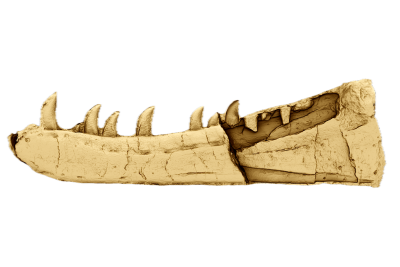
Paleontologists at the University of Bristol have officially identified a new species of dinosaur from Triassic fossil beds in South Wales, near Penarth – more than 125 years after the specimen was initially reported.
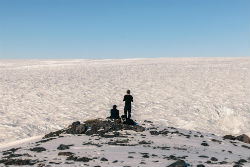
New research led by glaciologists and isotope geochemists from the University of Bristol has found that melting ice sheets provide the surrounding oceans with the essential nutrient silica.
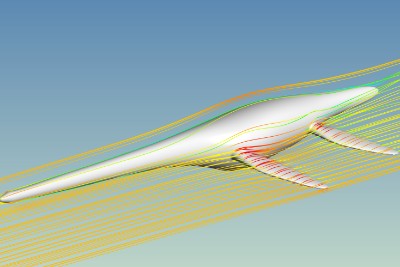
Scientists at the University of Bristol have discovered that body size is more important than body shape in determining the energy economy of swimming for aquatic animals.
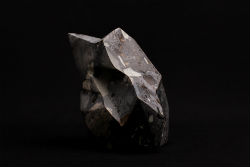
An intriguing new exhibition using rocks to represent different aspects and interpretations of climate change will be on display at the University of Bristol’s School of Earth Sciences, Wills Memorial Building, from Wednesday 25 July.
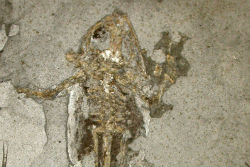
A team of palaeontologists, led by University College Cork (UCC) and including the University of Bristol, have discovered new sources of the pigment melanin, calling for a rethink of how scientists reconstruct the colour of fossil birds, reptiles and dinosaurs.
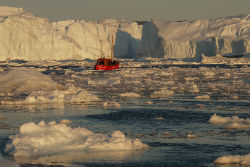
A University of Bristol geochemist is to lead an international team of researchers to Greenland’s fjords to find out how glacial meltwaters and coastal sediments are affecting nutrient cycling in the oceans.