
Newly-hatched pterosaurs may have been able to fly
Newly-hatched pterosaurs may have been able to fly but their flying abilities may have been different from adult pterosaurs, according to a new study.

Newly-hatched pterosaurs may have been able to fly but their flying abilities may have been different from adult pterosaurs, according to a new study.
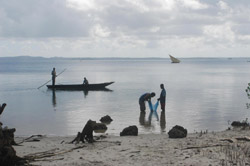
The earliest introduction of domestic chickens and black rats from Asia to the east coast of Africa came via maritime routes between the 7th and 8th centuries AD.

Research has found that it is safe for people to receive a flu vaccine at the same time as a COVID-19 vaccine. Reported side effects were mainly mild to moderate, and there were no negative impacts on the immune response produced by either vaccine when both were given on the same day, in opposite arms.

Five early-career researchers from the University of Bristol have been awarded over €7M in European Research Council (ERC) Starting Grants in recognition of their ‘excellent science’ and potentially ground-breaking research.

Photos of the same person can look substantially different. For example, your passport photo may look quite different from your driving licence, or your face in holiday photos.
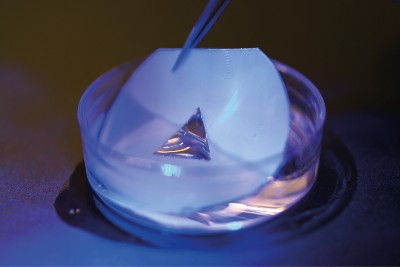
Scientists have created new artificial tissues that mimic some of the complex characteristics and abilities of living tissues, paving the way towards unprecedented advances in medicine, soft-robotics, and micro-engineering.
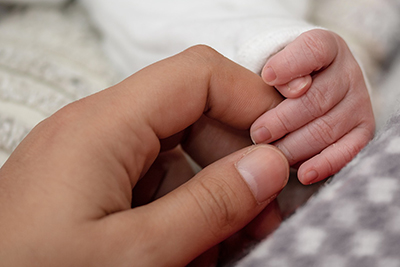
A major study into the factors affecting IVF treatment success, led by NIHR Bristol Biomedical Research Centre (BRC) researchers at the University of Bristol, is restarting after a year-long pause due to COVID-19.

In the first study of its kind, an international team of scientists – including the University of Bristol – has concluded, on a global scale, that the economic and long-term benefits of building dikes to reduce flood damage far outweigh their initial cost.

A new partnership between Digital Catapult and the University of Bristol promises to cement the city’s status as one of the most innovative places in the UK.
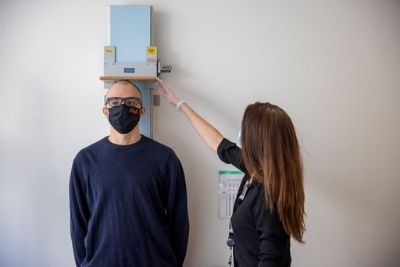
Thirty years after it first started, the Children of the 90s health study – one of the largest, most detailed longitudinal birth cohorts in the world – announced today [28 April] that it will launch its biggest collection of health data yet on three generations of Bristol families in September.