
How the University of Bristol's research and teaching has helped shape the NHS and save lives
Today [Wednesday 5 July] we celebrate 75 years of the NHS - the first universal health care system to be established anywhere in the world.
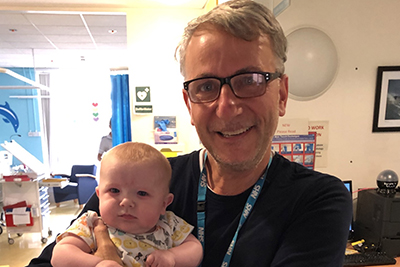
Today [Wednesday 5 July] we celebrate 75 years of the NHS - the first universal health care system to be established anywhere in the world.
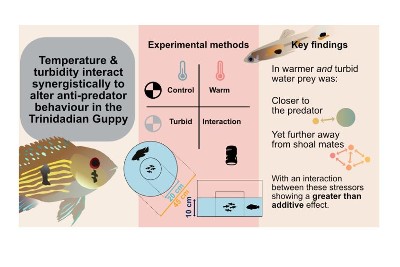
Changes in water conditions interact to affect how Trinidadian guppies protect themselves from predators, scientists at the University of Bristol have discovered.
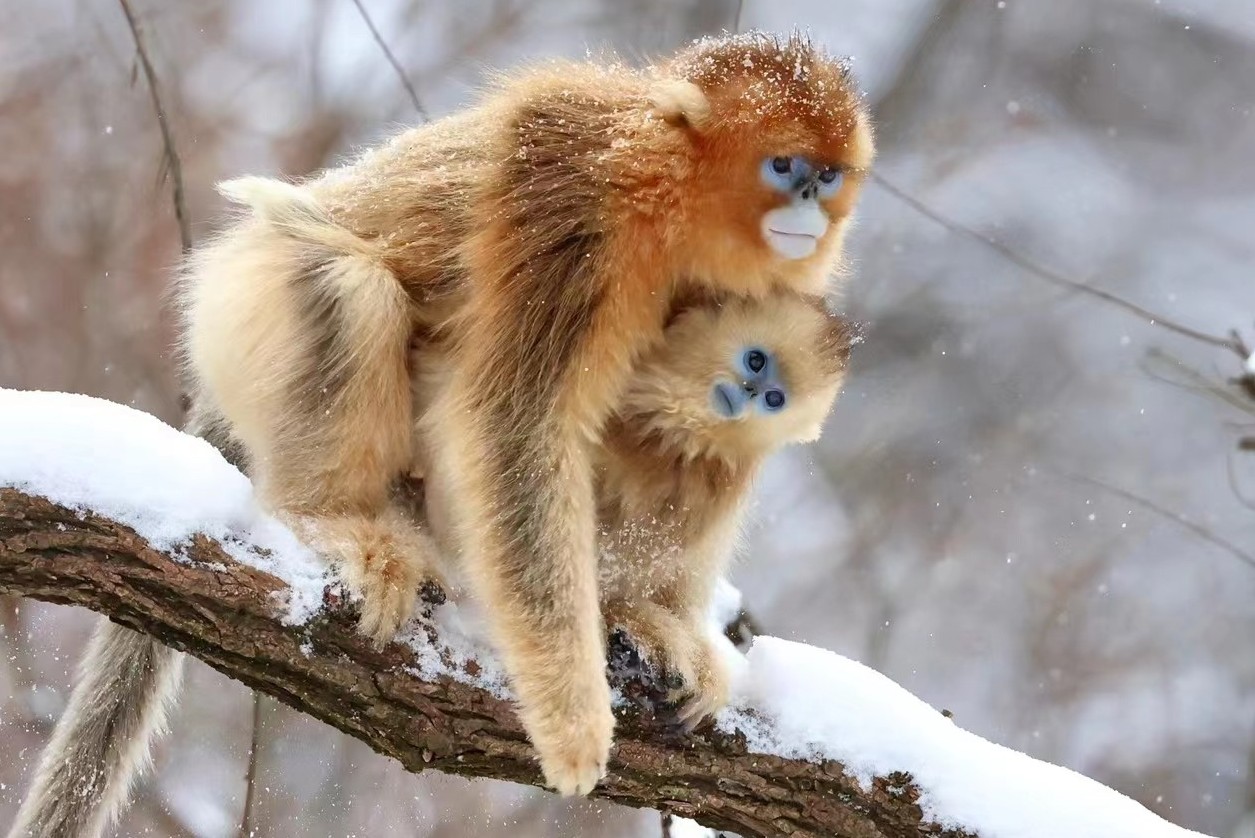
For the first time ever, scientists have uncovered evidence that a species’ long-term adaptation to living in an extremely cold climate has led to the evolution of social behaviours including extended care by mothers, increased infant survival and the ability to live in large complex multilevel societies.
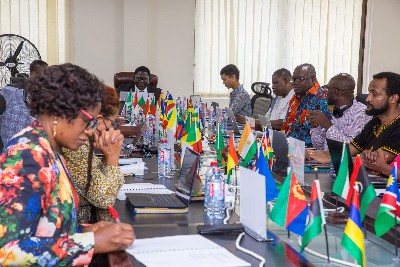
Global institutions are today being called on to back a bold, transformative plan for Africa to take its rightful role in research alliances, driving forward social justice, advancing science, and supercharging global scholarship.

Is there any evidence that Shostakovich really was a Soviet dissident?
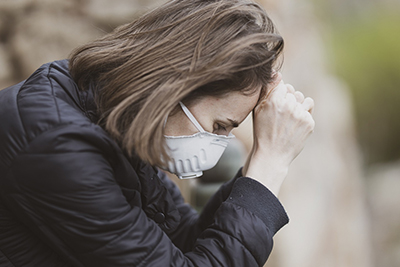
Long Covid, which affects nearly two million people in the UK (1), is not caused by an immune inflammatory reaction to COVID-19, University of Bristol-led research finds. Emerging data demonstrates that immune activation may persist for months after COVID-19.

Sediments from Tanzania are being used to evaluate 80 million years of climate change as part of a NERC-funded project conducted by Dr Rich Pancost and colleagues.

A Wellcome Trust Training Fellowship in Clinical Epidemiology allowed Dr Richard Martin of the Department of Social Medicine to undertake a series of studies on breastfeeding.

Males detect female mosquitoes from the sounds generated by their wing-beat

A new book by Dr George Sanford examines the Soviet massacre of Polish prisoners of war at Katyn and other camps in 1940.