
The energy powerhouse
The heart beats over 100,000 times a day, pumping about 20 thousand litres of blood around the body, delivering oxygen and nutrients.

The heart beats over 100,000 times a day, pumping about 20 thousand litres of blood around the body, delivering oxygen and nutrients.

Women who use a lot of household cleaning products when they are pregnant or shortly after the birth of their baby, may be increasing the risk of their child developing asthma, suggests research from the Children of the 90s study.

As temperatures rise with global warming, an increased risk of forest fires, droughts and flooding is predicted for the next 200 years
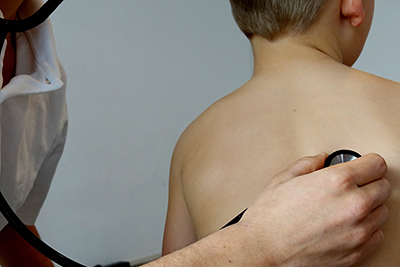
New insights into the importance of early-life factors on lung health have been unveiled in the most comprehensive study of its kind, led by the Universities of Bristol and Essex.

How psychoanalysis and ancient history meet in Sigmund Freud's final work

Greater maternal body mass index (BMI) during offspring development does not have a marked effect on offspring fat mass at ages nine to eleven years, according to a new study from the University of Bristol published today in PLoS Medicine.
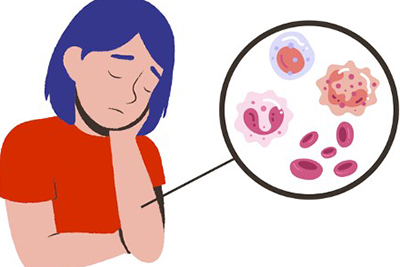
A link between depression and changes in counts of several types of immune cells in the blood has been revealed by researchers at the University of Bristol's MRC Integrative Epidemiology Unit. These findings, published in Molecular Psychiatry, suggest that changes to different components of our immune system — both the innate and adaptive immune response — could play a role in causing depression.

Regular physical activity can improve adolescents’ mental health and help with behavioural difficulties, research suggests.

Coronary artery bypass grafting remains the most effective treatment of coronary heart disease.

Two thirds of cancer patients may receive vague or no information about the survival benefits of having palliative chemotherapy before making a decision about treatment, according to a study by researchers at Bristol University published today on bmj.com.