
Smuggling in Tudor Bristol
Thanks to the work of economic historian Dr Evan Jones, the way we think about 16th-century smuggling may have to change.

Thanks to the work of economic historian Dr Evan Jones, the way we think about 16th-century smuggling may have to change.

The Department of Experimental Psychology are interested in the processes that underlie looking, with a view to contributing to the design of better machines.
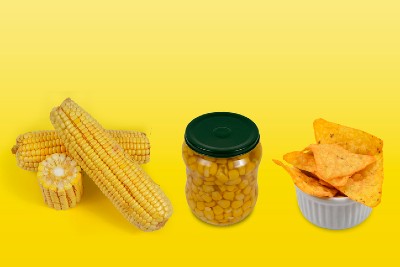
New research that compared the taste perception of less processed foods with ultra-processed foods (UPFs), found participants viewed UPFs no more pleasant tasting than less processed foods. The University of Bristol-led findings, published in the journal Appetite today [27 November], supports the theory that humans are programmed to learn to like foods with more equal amounts of carbohydrate and fat. Carbohydrate (including sugars) and fat provide most of the calories in human diets.

Hyperalgesia is particularly difficult to manage but Professor David Wynick has identified certain genes that could be drug candidates for treating this disabling condition.

A new intervention for men with urinary problems trialled across GP practices has shown a sustained reduction in symptoms. Findings from the University of Bristol-led Treating Urinary Symptoms in Men in Primary Healthcare (TRIUMPH) study, involving over 1,000 participants and 30 GP practices, have been published in the British Medical Journal (BMJ). The study was funded by the National Institute for Health and Care Research (NIHR).

A team of University of Bristol experts are poised to join the 2023 United Nations Climate Change Conference, which will hold the world to account in addressing humanity’s most urgent and ambitious challenge.

The University of Bristol has joined the Evotec beLAB1407 BRIDGE Partnership, an innovative venture aiming to advance new therapeutic drug discoveries.
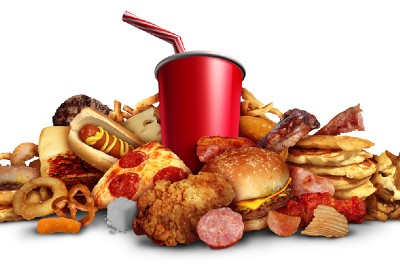
Eating more ultra-processed foods (UPFs) may be associated with a higher risk of developing cancers of upper aerodigestive tract (including the mouth, throat and oesophagus), according to a new study led by researchers from the University of Bristol and the International Agency for Research on Cancer (IARC).
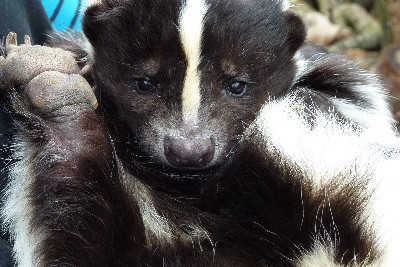
Striped skunks are less likely to evolve with their famous and white markings where the threat of predation from mammals is low, scientists from the University of Bristol, Montana and Long Beach, California have discovered.

Quantum researchers at the University of Bristol have dramatically reduced the time to simulate an optical quantum computer, with a speedup of around one billion over previous approaches.