
Bristol announces £16.8m investment in 400 new PhD scholarships
The University of Bristol has announced it will create 400 new postgraduate scholarships.

The University of Bristol has announced it will create 400 new postgraduate scholarships.
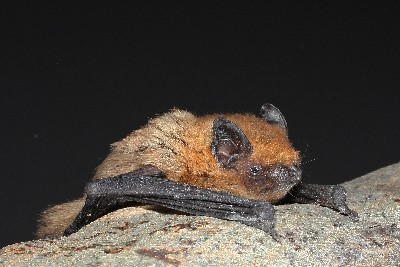
Bat activity falls as farms make the transition to organic agriculture, new research shows.

High performance shaking tables and deep soil pit will cut financial and environmental costs whilst ensuring resilience of high-value infrastructure.

The Minister for Health and Social Services has published the Assisted Dying in Jersey Ethical Review report, which has contributions by three experts of medical law and ethics from the universities of Bristol, Manchester and Toronto.

A chance social media post by an eagle-eyed amateur astronomer sparked the discovery of an explosive collision between two giant planets, which crashed into each other in a distant space system 1,800 light years away from planet Earth.

With the explosion of online platforms and advertising, the scourge of gambling is a growing problem affecting people of all ages.

Domestic cats introduced from the Near East and wildcats native to Europe did not mix until the 1960s, despite being exposed to each other for two thousand years.

A four-part audio-drama, Tobias and Syd, launched earlier this year and inspired by University of Bristol and Durham University research, is currently ranked second in the Audio Fiction World Cup and is the top UK podcast.
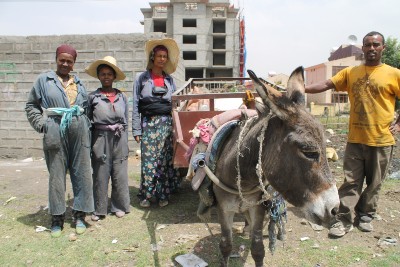
Donkeys are vital to the lives of women in Ethiopia and could be the difference between destitution and modest survival, new research has found. The study also revealed that societal perception of donkeys as low-status animals has an impact on both the owners’ lives and the wellbeing of the donkeys.
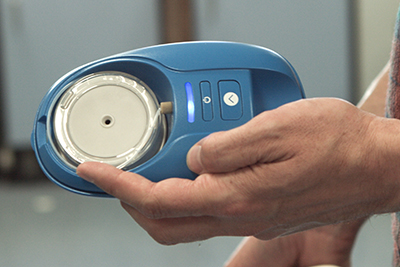
Early warning signs of diseases caused by dysfunctional levels of stress hormones could be spotted more easily thanks to a new wearable device developed by endocrine researchers. This is the first time it has been possible to measure changes to people’s stress hormones as they go about normal daily activities, across both day and night. The new collaborative research led by the University of Bristol, University of Birmingham and University of Bergen has the potential to revolutionise how diseases of the stress hormone system are diagnosed and treated.