
World-first cinema capable of measuring audience response to open in Bristol
One of the world’s most innovative cinemas, capable of monitoring audience reactions like never before, is coming to Bristol.

One of the world’s most innovative cinemas, capable of monitoring audience reactions like never before, is coming to Bristol.

Two academics at the University of Bristol, clinical scientist, Professor John Iredale, and historian, Professor Ronald Hutton, alumnus Gregory Doran, alumnus and member of staff Sandy Mitchell, and former member of staff, Dr Teame Mebrahtu have been recognised for their significant achievements in this year's King's New Year Honours list.

Feeding dogs raw (uncooked) meat increases their risk of excreting E. coli that cannot be killed by a widely used antibiotic - ciprofloxacin - researchers at the University of Bristol have found from a study of 600 healthy pet dogs.
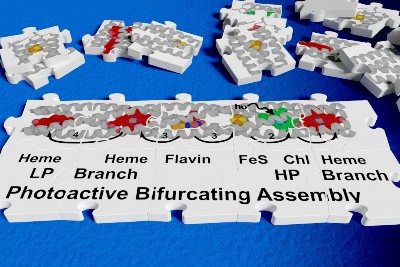
Researchers from universities across the UK, led by the University of Bristol, have been awarded £4.9 million from the Biotechnology and Biological Sciences Research Council (BBSRC), the UK’s largest bioscience funder, to investigate how electrons and energy flow through biological molecules by building artificial protein-based wires and circuits.

Quantum scientists have discovered a rare phenomenon that could hold the key to creating a ‘perfect switch’ in quantum devices which flips between being an insulator and superconductor.

Increased sedentary time from childhood through young adulthood caused increased body fat and abdominal fat in a new follow-up study. However, the results also showed that light physical activity (LPA) may completely reverse the adverse process. Moderate-to-vigorous physical activity (MVPA) may only reduce the effect. The study, published in Nature Communications, was conducted in collaboration between the universities of Bristol and Exeter, University of Colorado and the University of Eastern Finland.

Arctic terns – which fly on the longest migrations of any animal on Earth – may be able to navigate the dangers posed by climate change, new research suggests.

Homeless people and their dogs have a mutually beneficial relationship, with the dogs providing critical support for their owners' emotional and mental health while owners make every effort to protect the dog and meet their welfare needs, new research has found.
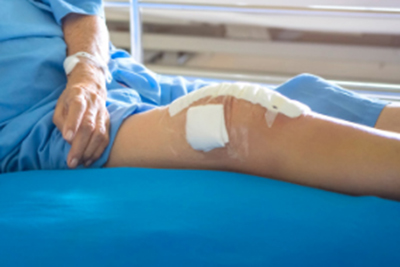
With one in five people experiencing ongoing pain long after knee replacement surgery, new research, led by the University of Bristol and North Bristol NHS Trust (NBT) and published in The Lancet Rheumatology today [27 January], has shown a way to help reduce people’s continuing pain that could also save the NHS time and money too.

Researchers have created a unique microscopic toolkit of ‘green’ tuneable electrical components, paving the way for a new generation of bioelectronic devices and sensors.