
London falcons ate fewer pigeons during lockdowns
Changes in peregrine falcon diets during COVID-19 lockdowns highlight the impact of human behaviour on urban predators.
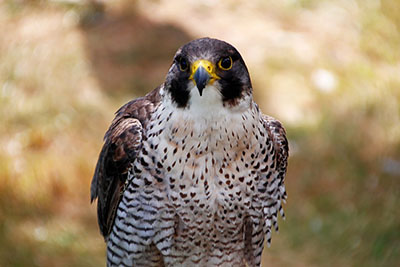
Changes in peregrine falcon diets during COVID-19 lockdowns highlight the impact of human behaviour on urban predators.

The University of Bristol is part of a £42.7 million 'Mental Health Mission' announced by the Government to accelerate research into mental health conditions, including those impacting children. The research will develop radical new treatments, improve the speed and accuracy of diagnosis and increase the use of technology to free up clinician time.
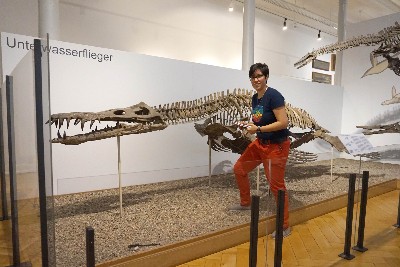
The diverse swimming techniques of the ancient reptiles that ruled the Mesozoic seas have been revealed for the first time by scientists at the University of Bristol.

A new study has highlighted how cryptocurrency investors often suffer gambling-related harms – and online gambling outlets accepting cryptocurrency as wagers pose even greater risks.

Do you want to take part in vital research into separation anxiety in dogs? If so, the University of Bristol Veterinary School and the School of Physiology, Pharmacology and Neuroscience wants to hear from you.
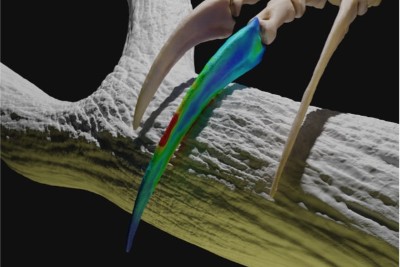
Dinosaur claws had many functions, but now a team from the University of Bristol and the Institute of Vertebrate Paleontology and Paleoanthropology (IVPP) in Beijing has shown some predatory dinosaurs used their claws for digging or even for display.

Countries must intensify efforts to track HIV and hepatitis C virus (HCV) incidence among people who inject drugs, and to prioritise this group in prevention and elimination work, according to new University of Bristol-led research, published online in The Lancet Gastroenterology & Hepatology.

Critical insights into why airborne viruses lose their infectivity have been uncovered by scientists at the University of Bristol. The findings, published in the Journal of the Royal Society Interface today [21 June], reveal how cleaner air kills the virus significantly quicker and why opening a window may be more important than originally thought. The research could shape future mitigation strategies for new viruses.

Biodiversity loss may be the harbinger of a more devastating ecological collapse, an international team of scientists have discovered.
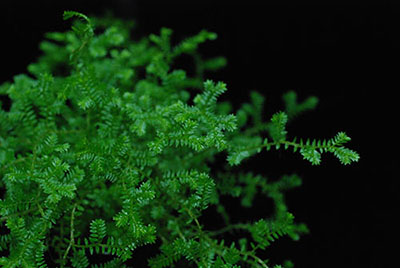
A new discovery by scientists at the University of Bristol changes ideas about the origin of branching in plants.