
Extinction vulnerability during ancient biodiversity crises is unpredictable
Evidence from past extinctions cannot be used as a definitive way of predicting future biodiversity loss, scientists have found by using AI.

Evidence from past extinctions cannot be used as a definitive way of predicting future biodiversity loss, scientists have found by using AI.
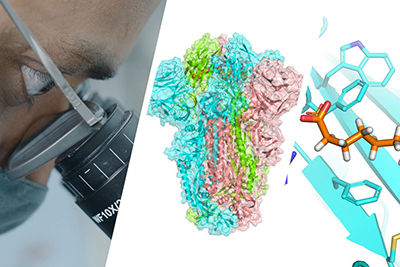
Clinical trials of an easy-to-use home therapeutic treatment for SARS-CoV-2 (coronaviruses) are underway following a £1.5 million investment into University of Bristol spin-out, Halo Therapeutics.

An historian from the University of Bristol has uncovered new evidence which suggests that Bristol’s involvement in the Transatlantic Trafficking of Enslaved Africans may have started more than 30 years earlier than previously recorded.

Hotter, more humid weather conditions and a history of overheating may be factors in predicting whether a Thoroughbred racehorse will suffer an incident of exertional heat illness (EHI), according to new research led by the University of Bristol and published today [14 March] in Scientific Reports. The findings, based on data from British racecourses, could be used to reduce the risk of racehorses experiencing EHI, particularly given the warming climate and more frequent hot race days.

Exploring the lesser-known roles of the neurotransmitter serotonin.

One of the first practical applications of the much-hyped but little-used quantum computing technology is now within reach, thanks to a unique approach that sidesteps the major problem of scaling up such prototypes.

New data has shown rising prices are prompting people in the UK to make dramatic cutbacks on essential healthcare which could affect their long-term wellbeing.

A team of researchers from the University of Bristol have shed light on the life of the ancient reptile Rhynchosaur, which walked the earth between 250-225 million years ago, before being replaced by the dinosaurs.

Livestock dung could be used to create the next generation of cellulosic materials, according to a new report.

Change is needed to the way safer sleep information is communicated, if risks to babies from unsafe sleeping practices are to be reduced, according to a new report from the universities of Oxford, UCL, Bristol and Newcastle. This was prompted by the government, in the wake of sudden death in infancy data, in an attempt to identify what type of support was needed to reduce the incidence in all families.