
Experts have discovered how zebra stripes work
Researchers at the University of Bristol have found why zebra fur is thinly striped and sharply outlined.
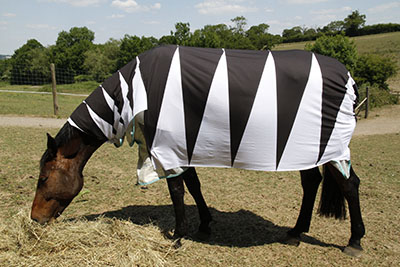
Researchers at the University of Bristol have found why zebra fur is thinly striped and sharply outlined.
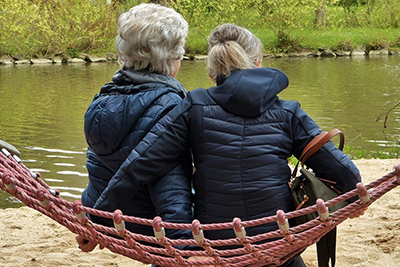
Depression in Alzheimer's has different risk factors than depression in older adults without the disease, finds a major new study in the Journal of Alzheimer's Disease. The University of Bristol-led research looked at over 2,000 people with the disease to explain why current anti-depressants are ineffective for people living with depression in Alzheimer's.

The University of Bristol’s pioneering wind tunnel facilities have been awarded a portion of UK Research and Innovation’s £23 million, to transform UK research capability in fluid dynamics.

A new discovery could lead to novel ways of treating hardening of the arteries, a condition responsible for almost half of all deaths in Europe.
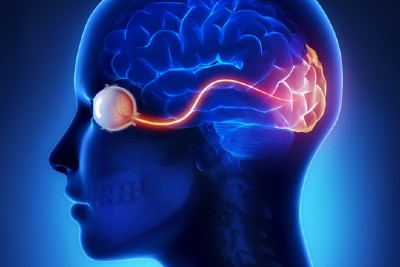
Guidelines to speed up the diagnosis and treatment of patients with nerve swelling at the back of the eye, known as papilloedema, are being developed by researchers at the University of Bristol.

Providing free school meals to all secondary pupils is feasible and acceptable, and brings many potential benefits, finds a new University of Bristol-led study of a pilot scheme in the London Borough of Hammersmith and Fulham, published today [22 March].

An innovative technique to detect and characterise molecules with greater precision has been proposed, paving the way for significant advances in environmental monitoring, medical diagnostics, and industrial processes.
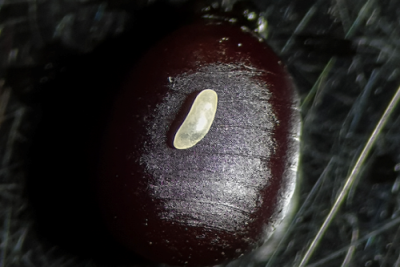
Tsetse are biting flies that transmit the parasites causing sleeping sickness in humans and Nagana in animals. Female tsetse flies, which give birth to enormous, adult-sized live young, can experience miscarriages and these are more likely as they get older.
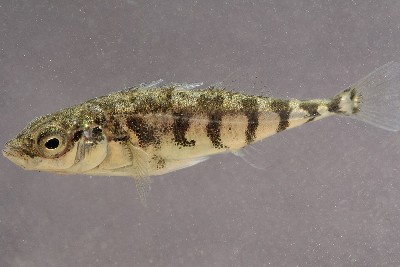
Animals using the most efficient methods of searching for resources may well pay with their lives, scientists at the University of Bristol have discovered.
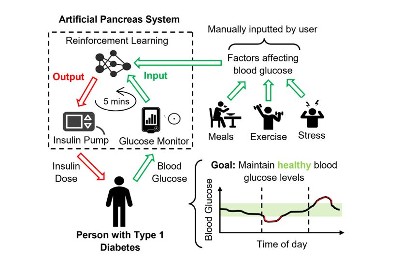
The same type of machine learning methods used to pilot self-driving cars and beat top chess players could help type-1 diabetes sufferers keep their blood glucose levels in a safe range.