
Oldest human DNA reveals family network that spanned Europe
The oldest DNA ever recovered from modern humans shows they arrived as small groups in Europe more than 45,000 years ago and mixed with Neanderthals - but left no descendants.

The oldest DNA ever recovered from modern humans shows they arrived as small groups in Europe more than 45,000 years ago and mixed with Neanderthals - but left no descendants.

The research programme CircardiAgeing has been awarded £4,456,282 by the Biotechnology and Biological Sciences Research Council (BBSRC) to investigate the role of circadian rhythms and clock excitability in healthy ageing.

People living with Fetal Alcohol Spectrum Disorder (FASD) — one of the most common yet under-recorded neurodevelopmental conditions worldwide — can now have the condition accurately recorded in their medical records thanks to new clinical codes.

Of the 54 children who died of asthma between 2019 and 2023, more than 90 per cent were exposed to air pollution levels above World Health Organization (WHO) guidelines, according to a new report published today [12 December] by the University of Bristol’s National Child Mortality Database (NCMD) team. The report uses the NCMD’s unique data on all child deaths in England to examine deaths due to asthma or anaphylaxis between April 2019 and March 2023.

Two-thirds of children who started tobacco smoking at 10 years of age continued until their mid-twenties, significantly increasing their risk of early heart damage

Research led by the University of Bristol shedding new light on how arsenic can be made less dangerous to humans has the potential to dramatically improve water and food safety, especially in the Global South.

New results from the world’s most sensitive dark matter detector narrow down its characteristics, edging closer to unravelling one of the biggest mysteries of the Universe.

A new report has uncovered the many risks of participating in climate and environmental protests across the world – and how more countries are criminalising and repressing this activity in a bid to keep it in check.

£225,000 has been awarded to the University of Bristol to develop a new instrument to probe the depths of the Greenland and Antarctic ice sheets, in order to monitor their behaviour in a warming climate.
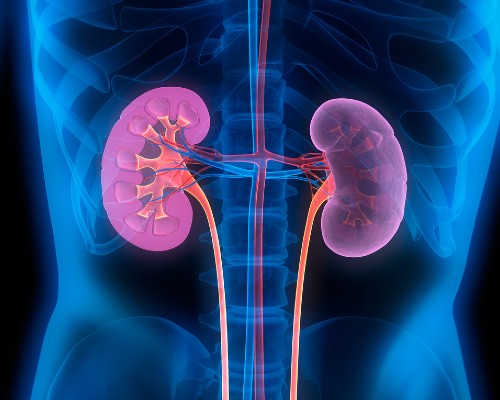
New potential therapeutic targets have been identified for diabetic kidney disease (DKD) - the leading cause of kidney failure in the world - that could see patients treated with new gene and drug therapies preventing the disease’s progression into end stage kidney failure. The study is published in Nature Communications.