
New study refines precision of medical needles in surgical simulation
Researchers at the University of Bristol have discovered a way of improving the accuracy of medical needle-use in surgical simulation.
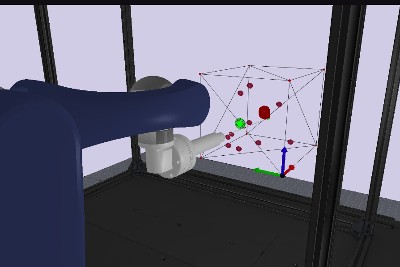
Researchers at the University of Bristol have discovered a way of improving the accuracy of medical needle-use in surgical simulation.
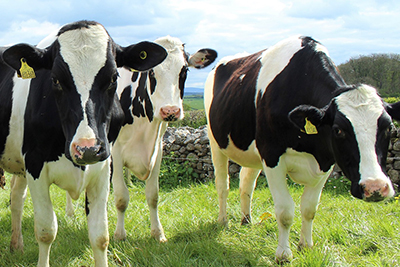
Do you work with bovine tuberculosis (bTB)-infected cattle? If so, researchers at the University of Bristol are inviting people to take part in the ZooTB study.
.png)
A large study looking at the effects of fertility treatment has found no robust difference in blood pressure, heart rate, lipids, and glucose measurements between children conceived naturally and those conceived using assisted reproductive technologies (ART).
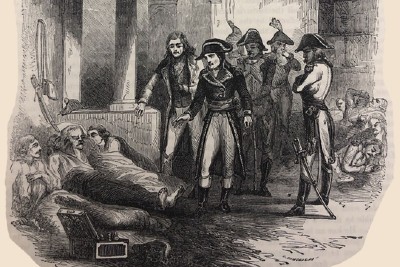
The same genetics that helped some of our ancestors fight the plague is still likely to be at work in our bodies today, potentially providing some of the population with extra protection against respiratory diseases such as COVID-19, according to research led by scientists at University of Bristol. However, there is a trade-off, where this same variation is also linked to increased autoimmune diseases such as rheumatoid arthritis and inflammatory bowel disease.

Dolphins working collaboratively are less successful in the presence of sound generated by humans, a University of Bristol-led team of researchers have shown.

Babies recognise pretence and around half of children can pretend themselves by 12 months, new research has found.
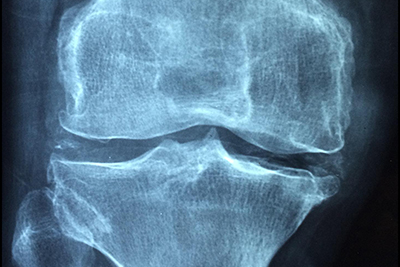
The provision of joint replacement surgery in England is subject to socio-economic inequalities, despite a years-long effort to reduce them. A University of Bristol-led study of hip and knee surgeries over a ten-year period, published in PLOS Medicine today [27 April], concludes that care providers must take further action to address variation in access to these frequently performed operations.

Experiencing abuse or neglect as a child can cause multiple mental health problems, finds a new study led by UCL researchers, in collaboration with the University of Bristol and NIHR Biomedical Research Centre, University Hospitals Bristol and Weston NHS Foundation Trust (UHBW), King's College London, University of Lausanne and Yale University School of Medicine.
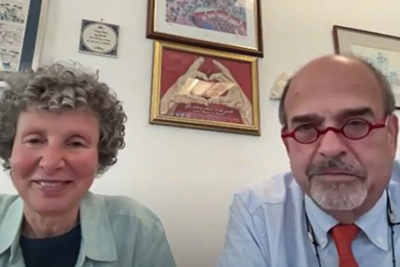
A study to find out the best ways of treating prostate cancer has been named the 2024 recipient of the Active Surveillance Patients International (ASPI) Special Award. The ProtecT trial, led by the Universities of Bristol and Oxford, received the award for game-changing research in the development of the active surveillance approach to managing low-risk prostate cancer. Their research has proved active monitoring in patients with lower-risk prostate cancer was as safe as aggressive treatments.
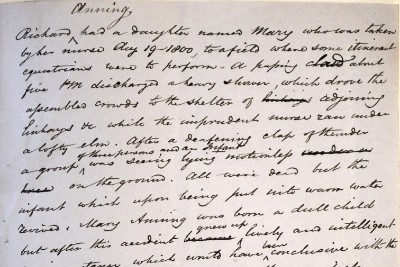
A short biography of pioneering scientist Mary Anning, written in the final ten years of her life, has been made public for the very first time.