
New monitor for eye disease
The monitoring and treatment of eye diseases that may cause blindness has taken a big leap forward, thanks to a new imaging technique that takes high quality colour photographs of the whole retina.

The monitoring and treatment of eye diseases that may cause blindness has taken a big leap forward, thanks to a new imaging technique that takes high quality colour photographs of the whole retina.
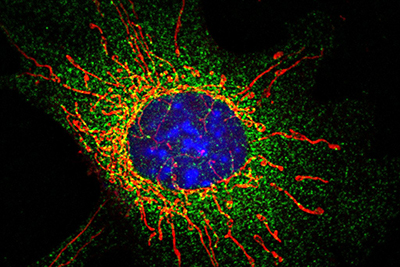
A key molecular step required for the division of damaged mitochondria - essential for cell health - has been identified by a University of Bristol-led study. The finding has the potential to establish how mitochondrial dysfunction goes wrong in common neurodegenerative diseases, such as Parkinson's and Alzheimer's.

A trial that showed a cheap and widely available prescription drug can improve symptoms of irritable bowel syndrome (IBS) in patients seen in GP surgeries has been awarded Research Paper of the Year by the Royal College of General Practitioners (RCGP).

Sports fans are being bombarded daily with gambling advertising via social media in the United States – and the majority of ads could be in breach of regulations, according to a new study.

Climate geoengineering may help maintain the Greenland ice sheet by reducing the amount of sunlight that reaches the Earth’s surface which in turn would cool the climate, despite rising CO2 levels.

A new project co-led by the University of Bristol, aims to improve future flood adaptation measures in the UK, providing better-targeted protection against the impact of climate change.

The Government should extend conditionality so that virtually no one can claim benefits without taking active steps to address barriers to work, according to an independent review by Professor Paul Gregg published today.

Hundreds of babies have begun to be tested for over 200 rare genetic conditions as part of a world-leading study delivered by a University of Bristol team and run in NHS hospitals that aims to screen up to 100,000 newborns in England.

Preterm birth rates are lower than the national average for White women and higher for Black and Asian women, and women living in the most deprived areas according to a new University of Bristol-led study published in BMC Medicine.

Scientists at the University of Bristol have embarked on a ground-breaking study to help protect people from the killer disease meningitis. Volunteers will be given a vaccination and then the reaction of the immune system in the back of their throats will be analysed as part of a wider project to reduce cases of the disease.