
Researchers a step closer to a cure for HIV
A new study involving University of Bristol researchers has shown a virus-like particle (HLP) can effectively 'shock and kill' the latent HIV reservoir.

A new study involving University of Bristol researchers has shown a virus-like particle (HLP) can effectively 'shock and kill' the latent HIV reservoir.
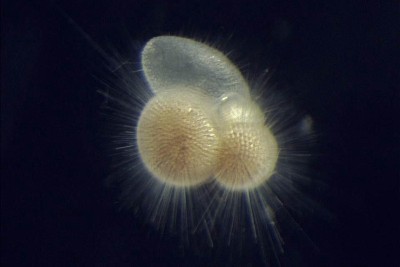
Marine communities migrated to Antarctica during the Earth’s warmest period in 66 million years long before a mass-extinction event.

Bristol Robotics Laboratory (BRL) is joining other leading research institutions in a new project looking at how remotely operated robots could enable people to take part in public spaces – without actually being there.

The mystery of how futuristic aircraft embedded engines, featuring an energy-conserving arrangement, make noise has been solved by researchers at the University of Bristol.

Live performing arts are facing an existential threat from a range of potential global shocks unless there is significant and sustained investment in resilience planning, according to a new international study.

New research by academics in the University of Bristol's School of Clinical Sciences has investigated if nerve growth factor (NGF) gene therapy can prevent diabetic heart failure and small vascular disease in mice.

An exciting agreement aiming to reshape the educational and economic landscape of the South West in pursuit of green goals has been signed by the University of Bristol and Bridgwater & Taunton College.

New research by academics at the University of Bristol hopes to explain premature births and failed inductions of labour.

Research shows schools have increasingly stepped in as a fourth emergency service and are now the biggest source of charitable food and household aid for families struggling with the cost-of-living crisis.

New research has found no evidence of a difference between recovery time and complications when comparing standard and keyhole surgical incisions for the treatment of oesophageal cancer (cancer of the gullet). The study, led by the University of Bristol Medical School and published in the British Journal of Surgery, showed surgeons treating patients with oesophageal cancer do not need to change their practice if they have a strong preference for either procedure type.