
Plastic fantastic – researchers turn plastic pollution into cleaners
Scientists at the University of Bristol have discovered a way to re-use a common plastic to break down harmful dyes in our waste water.
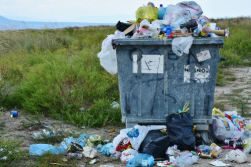
Scientists at the University of Bristol have discovered a way to re-use a common plastic to break down harmful dyes in our waste water.

David Stephens, Emeritus Professor of Cell Biology in the School of Biochemistry, has been awarded the Royal Microscopical Society (RMS) Scientific Achievement Award for his work on cell biology.

Community-based testing and treatment response to Glasgow’s HIV outbreak among people who inject drugs (PWID) successfully brought the 2015 outbreak under control, modelling led by academics at the University of Bristol suggests. The study’s findings, published in The Journal of Infectious Diseases (JID), indicate that approximately three times as many people would have been infected by 2020 if these interventions had not been implemented.
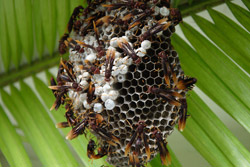
Animals living in volatile habitats can gain major evolutionary benefits by shielding their families from the changing environment, new research suggests.

Proactive care, a whole-system approach and a ‘team-of-teams’ are important elements in achieving effective virtual wards for people with frailty, according to the first rapid realist review of the evidence. The findings of the National Institute of Health and Care Research (NIHR) funded review, published in Age and Ageing and involving University of Bristol researchers, also apply to multidisciplinary virtual wards for other complex conditions.
.png)
The University of Bristol will be home to the new £11m Innovation and Knowledge Centre (IKC) REWIRE, set to deliver pioneering semiconductor technologies and new electronic devices.

Increasing the levels of a key protein in the cells at the back of the eye could help protect against the leading cause of vision loss among older adults, finds a new discovery made by researchers from the UK, US, Germany and Australia. The University of Bristol-led findings are published today [5 June] in Science Translational Medicine and featured on the front cover.
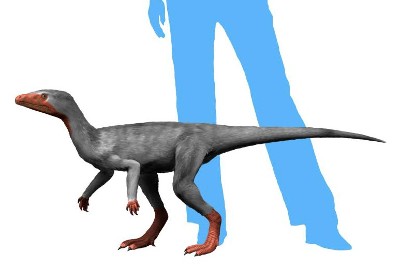
Dinosaurs’ range of locomotion made them incredibly adaptable, University of Bristol researchers have found.
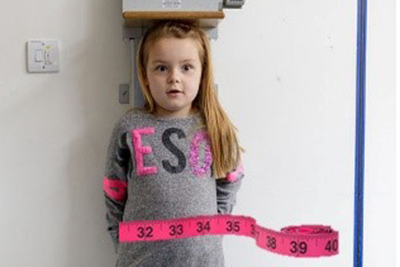
An inexpensive measure of obesity in children and adolescents that could replace body mass index (BMI) has been identified in a new study as waist circumference-to-height ratio. This measure detected excess fat mass and distinguished fat mass from muscle mass in children and adolescents more accurately than BMI. The study, published in Pediatric Research, was conducted in collaboration between the universities of Bristol, Exeter and Eastern Finland.

A new clinical trial of a general practice programme to improve the identification and referral of men and children affected by domestic abuse begins in May thanks to a £2.2 million National Institute for Health and Care Research (NIHR) award to University of Bristol researchers, in partnership with Oxford University and the social enterprise IRISi.