
Five Bristol researchers awarded Leverhulme Major Research Fellowships
Five University of Bristol academics have been awarded Major Research Fellowships from the Leverhulme Trust.

Five University of Bristol academics have been awarded Major Research Fellowships from the Leverhulme Trust.

A genetic variant which causes smokers to smoke more heavily has been shown to be associated with increased body mass index (BMI) – but only in those who have never smoked, according to new research led by the University of Bristol, UK and published today in PLOS Genetics.

Scientists from the University of Bristol and the British Museum, in collaboration with Oxford Archaeology East and Canterbury Archaeological Trust, have, for the first time, identified the use of birch bark tar in medieval England – the use of which was previously thought to be limited to prehistory.

The Research Excellence Framework (REF) 2014 has ranked Bristol among the UK’s top research universities. Our research is shown to have top quality and major impact on society and the economy, according to this assessment of research at every UK university. REF2014 will decide how around £2 billion in research funding will be allocated each year from 2015-16.
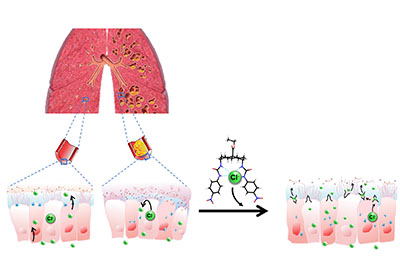
A new treatment for lung disease in cystic fibrosis (CF) for which there remains no cure could potentially benefit all patients, according to a University of Bristol study published in Chemical Science. The findings are an important step towards a new therapy addressing the fundamental cause of cystic fibrosis.

As the proliferation of gambling continues to feed into a global epidemic, University of Bristol researchers are inviting members of the public to hear how education initiatives pioneered in Africa could be used in the UK to tackle gambling harms.

Global warming may lead to less frequent but bigger and more devastating hail storms, new research has revealed.

Teenage girls who experience clinical levels of anxiety could be at greater risk of eating disorders, according to associations identified in a study completed by researchers at the University of Bristol with UCL.

Researchers at the universities of Bristol and Cardiff have shown how the process of defining and measuring poverty in low-income countries can be made more democratic.

The University of Bristol has committed £800,000 from its Quality Related (QR) Global Challenges Research Fund (GCRF) allocation to support research activities with partners in low and middle income countries.