
Population Health Sciences

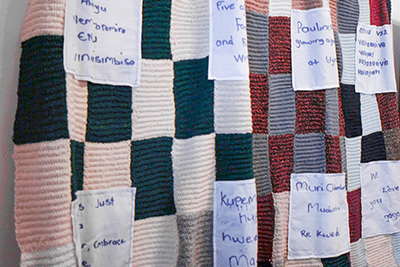
Creative Art of Ageing competition proves hit with Zimbabwe and The Gambia communities

A creative arts competition giving older people in Zimbabwe and The Gambia a platform to express their experiences about ageing saw hundreds of entries showcase their artistic talent across four categories: music, dance, prose, and mixed media from across both countries. The competition, part of a University of Bristol led research project, hopes to improve the health and wellbeing of older people living in sub-Saharan Africa.


An estimated two-thirds of world’s population under age of 50 are infected with herpes simplex virus type 1

More than 3.7 billion people under the age of 50 are infected with herpes simplex virus type 1 (HSV-1), which commonly causes ‘cold sores’ and can also cause genital herpes, according to new research by the University of Bristol and the World Health Organisation [WHO]. The findings, published in the journal PLOS ONE, reveal the first global estimates of HSV-1 infection.

Global research network to combat deadly Strep A infections

Bristol researchers are part of a newly-launched multi-institution network to research bacterial cause of sepsis and heart damage in children. Each year, around half a million people, including many children and young people, die around the world because of serious group A streptococcal (Strep A) bacterial infections. While most cases are relatively mild – affecting only the skin or throat - some infections can lead to deadly sepsis or autoimmune damage to the heart. There is currently no available vaccine for Strep A.

Pre-school health programme does not improve children’s diet or physical activity, prompting call for policy changes, study finds

A pre-school diet and physical activity programme does not improve children’s calorie intake or overall physical activity levels in nursery settings, a new University of Bristol-led study has found. The research published in The Lancet Regional Health - Europe today [18 December] highlights the need for policy-led rather than intervention-led approaches to improving young children’s health.

Patient recovery after surgery for oesophageal cancer isn’t influenced by using standard or keyhole incisions

New research has found no evidence of a difference between recovery time and complications when comparing standard and keyhole surgical incisions for the treatment of oesophageal cancer (cancer of the gullet). The study, led by the University of Bristol Medical School and published in the British Journal of Surgery, showed surgeons treating patients with oesophageal cancer do not need to change their practice if they have a strong preference for either procedure type.