
Population Health Sciences

New baby sleep planner tool could help save babies lives at risk of sudden infant death

A new web-based baby sleep planner, developed by researchers at the University of Bristol, could help save babies lives from sudden infant death syndrome or SIDS, a study suggests. The sleep planner tool is a new way to find out about babies risks and help keep them safe whilst sleeping. Although SIDS is rare, with one death in 3,000 to 4,000 births in England, this new tool, funded by the National Institute for Health and Care Research (NIHR), could help reduce unexplained infant deaths.

Community-based early HIV testing and treatment could successfully manage and prevent emerging HIV outbreaks among people who inject drugs, study suggests

Community-based testing and treatment response to Glasgow’s HIV outbreak among people who inject drugs (PWID) successfully brought the 2015 outbreak under control, modelling led by academics at the University of Bristol suggests. The study’s findings, published in The Journal of Infectious Diseases (JID), indicate that approximately three times as many people would have been infected by 2020 if these interventions had not been implemented.

Rapid realist review reveals how to achieve effective virtual wards for people with frailty

Proactive care, a whole-system approach and a ‘team-of-teams’ are important elements in achieving effective virtual wards for people with frailty, according to the first rapid realist review of the evidence. The findings of the National Institute of Health and Care Research (NIHR) funded review, published in Age and Ageing and involving University of Bristol researchers, also apply to multidisciplinary virtual wards for other complex conditions.

Waist-to-height ratio detects fat obesity in children and adolescents significantly better than BMI, study finds

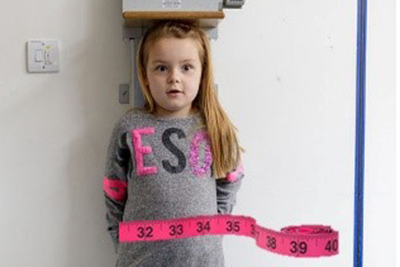
An inexpensive measure of obesity in children and adolescents that could replace body mass index (BMI) has been identified in a new study as waist circumference-to-height ratio. This measure detected excess fat mass and distinguished fat mass from muscle mass in children and adolescents more accurately than BMI. The study, published in Pediatric Research, was conducted in collaboration between the universities of Bristol, Exeter and Eastern Finland.