International

Study shows how Ebola evolved during the outbreak in West Africa

University of Bristol researchers have played a key role in a new multi-national Ebola study published in Nature. The Ebola virus outbreak in West Africa has been going on for over a year and there have been fears about the speed of virus evolution, and the corresponding effect on vaccines, diagnostics and treatment. The research team used blood samples taken from patients and compared changes in the genetic material of the virus from throughout the outbreak. They were able to show that the outbreak had a single point of origin and predicted that diagnostics and treatment would be effective on the current form of the virus.


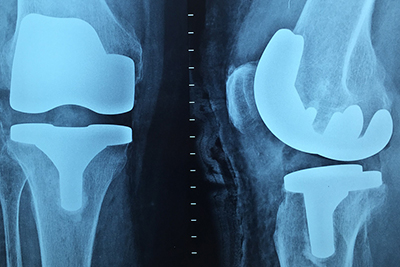
Study reveals hip and knee replacement performance in England and Wales

The performance of different prosthetic implant combinations used in patients undergoing hip and knee replacements in England and Wales over the last 14 years have, for the first time, been directly compared in two new studies. The University of Bristol findings, published in the BMJ Open today [Tuesday 30 April], reveal substantial variability in the performance of different joint replacements, and the number of patients requiring a second surgery.

Marine heatwave proves devastating to Shark Bay and dolphins, study finds

Dolphin survival and reproductive rates suffered a significant decline following a 2011 marine heatwave affecting around 1,000km of Western Australia’s coastline. The findings, published in Current Biology and representing an international collaboration of researchers and universities, including Zurich and Bristol, have important implications for marine conservation and mitigating the effects of climate change.