
Bristol graduate turning research into support for female tech founders across Africa
A PhD student whose research developed into an initiative empowering female tech founders across Africa has graduated from the University of Bristol.
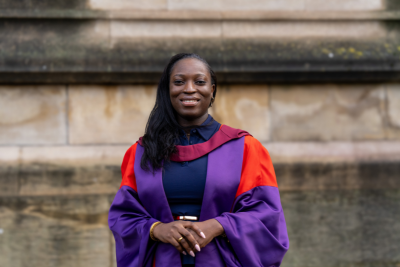
A PhD student whose research developed into an initiative empowering female tech founders across Africa has graduated from the University of Bristol.
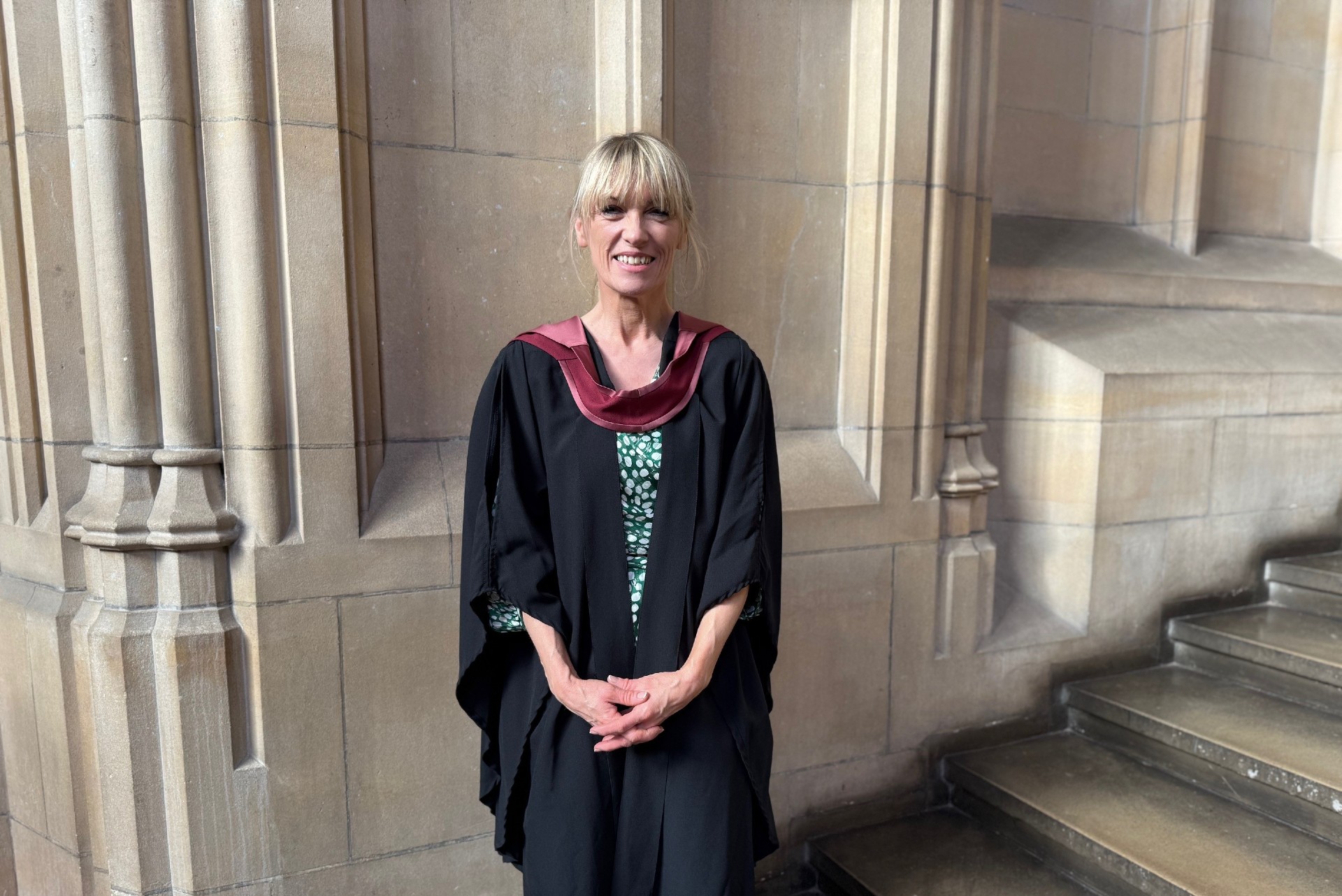
A former University of Bristol student has returned to the city this week to officially graduate – 33 years after she finished her studies.
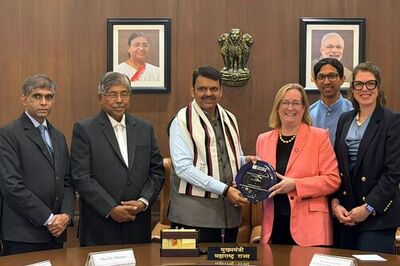
Further details of the University of Bristol’s plans for its Mumbai Enterprise Campus have been revealed, with the Government of Maharashtra supporting a prestigious new scholarship scheme for local students.

A new global analysis of two antenatal treatments that reduce the risk of cerebral palsy and respiratory complications in premature babies reveals significant international variation in implementation. The University of Bristol-led study, published in the International Journal of Obstetrics & Gynaecology today [25 February], examined neonatal data from over 300,000 premature births across ten countries.
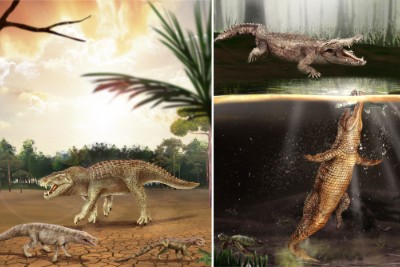
Crocodiles were not always the aquatic predators we know today. Living crocodiles evolved from ancient lineages that were equally at home on land as water.
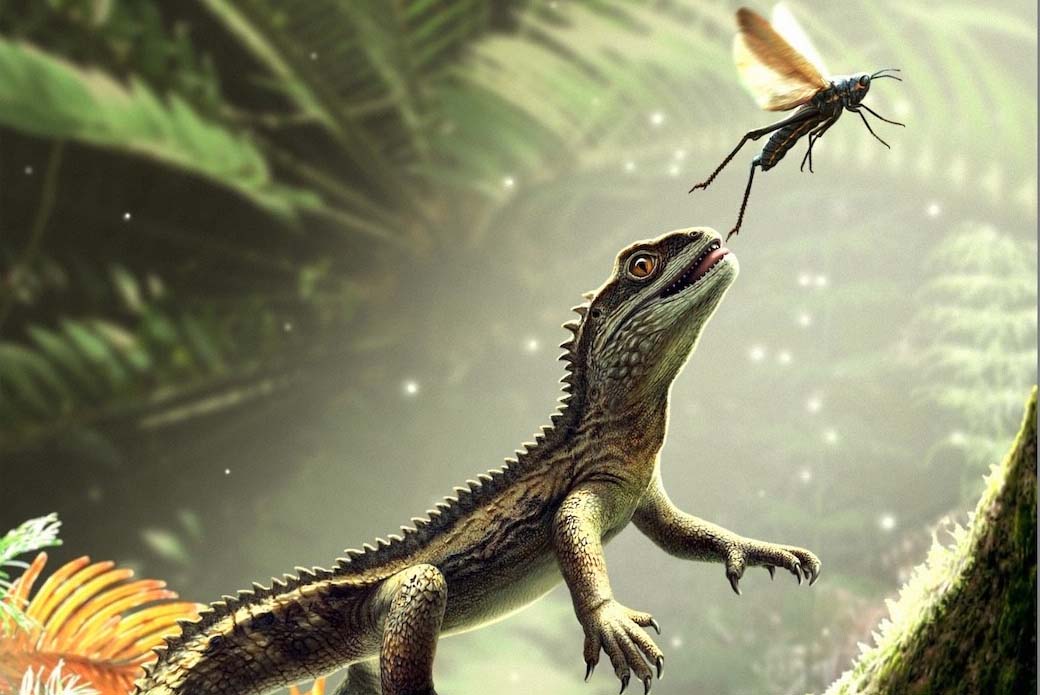
A new fossil from Devon reveals what the oldest members of the lizard group looked like, and there are some surprises, according to a research team from the University of Bristol. The study is published today [10 September] in Nature.
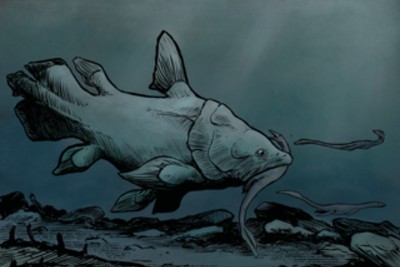
The modern coelacanth is a famous ‘living fossil’, long thought to have died out, but first fished out of deep waters in the Indian Ocean in 1938. Since then, dozens of examples have been found, but their fossil history is patchy. In a new study, Jacob Quinn and colleagues from the University of Bristol and University of Uruguay in Montevideo have identified coelacanths in museum collections that had been missed for 150 years.

In a new study, led by the University of Oxford (co-authored by a University of Bristol scientist) and published today [18 November] in Nature, an international group of authors who developed the science behind net zero demonstrate that relying on ‘natural carbon sinks’ like forests and oceans to offset ongoing CO2 emissions from fossil fuel use will not actually stop global warming.
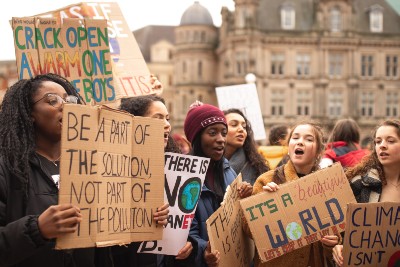
Human-induced climate change is wreaking havoc in nature and affecting the lives of billions of people around the world, despite efforts to reduce the risks. People and ecosystems least able to cope are being hardest hit, according to leading scientists in the latest Intergovernmental Panel on Climate Change (IPCC) report, released today.
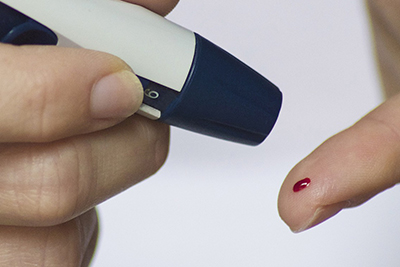
Drugs that repair damage to a gel-like layer in the tiny blood vessels of the heart could present a much-needed treatment for heart failure in people with diabetes, according to University of Bristol-led research funded by the British Heart Foundation and published today in Diabetologia.