
University of Bristol flies the flag in China with inaugural graduation
The ceremonial centrepiece of Bristol University has been recreated in China, with over 200 students from across the Asian country celebrating their graduation in style.

The ceremonial centrepiece of Bristol University has been recreated in China, with over 200 students from across the Asian country celebrating their graduation in style.

A new collaboration between University of Bristol researchers Dr Matthew Brown and Dr Karen Tucker and media company Chaka Films has been awarded £50,000 as part of REACT Future Documentary Sandbox – an AHRC-funded initiative to encourage new forms of storytelling exploring the documentary format, arts and humanities research and digital technologies.

A new £23million research unit is announced today, that will exploit the latest advances in genetics to improve understanding of how changes to lifestyle or environment, as well as pharmacological interventions, can reduce the risk of disease. The Integrative Epidemiology Unit (IEU), jointly funded by the Medical Research Council and the University of Bristol, will launch on 1 June 2013.

Scientists have revealed how a bacterial enzyme has evolved an energy-efficient method to move long distances along DNA. The findings, published in Science, present further insight into the coupling of chemical and mechanical energy by a class of enzymes called helicases, a widely-distributed group of proteins, which in human cells are implicated in some cancers.

Researchers at the Universities of Bristol and Cardiff will today [Friday 19 April] show how groundbreaking ultra high definition (UHD) technology is making a real difference in remote medical training and diagnosis, with 3D demonstrations on a ‘virtual patient’.

Researchers have found a new method for studying depression in rats that mirrors an aspect of the mood-related symptoms of the condition in humans. Until now, the lack of animal models that can replicate the emotional symptoms of psychiatric disorders displayed in humans has been a major obstacle for the development of treatments. It is hoped this new technique, published in Neuropsychopharmacology, will improve the efficacy testing of new therapies.

Could the quantum computing revolution transform drug development, are there new approaches for improving sleep and do people benefit from being diagnosed with early-stage dementia? These are some of the questions that will be discussed at the first TEDMEDLive Bristol at the MShed on Thursday [18 April].

Scientists investigating the interaction of a group of proteins in the brain responsible for protecting nerve cells from damage have identified a new target that could increase cell survival.
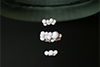
Pioneering ‘tweezers’ that use ultrasound beams to grip and manipulate tiny clusters of cells under electronic, push-button control could lead to life-changing medical advances, such as better cartilage implants that reduce the need for knee replacement operations.

A PhD student from the University of Bristol has been awarded a prestigious scholarship to study in New York, where she will look at how history can inform present day debates about humanitarian policy.