
Faculty of Health Sciences

GPs should not use inflammatory marker tests to rule out serious conditions

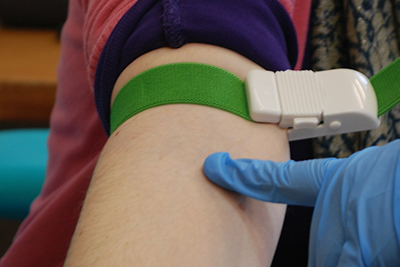
Blood tests that detect inflammation, known as inflammatory marker tests, are not sensitive enough to rule out serious underlying conditions and GPs should not use them for this purpose, according to researchers from the University of Bristol's Centre for Academic Primary Care, University of Exeter and the National Institute for Health Research Collaboration for Leadership in Applied Health Research and Care West (NIHR CLAHRC West).


Managing the risk of aggressive dog behaviour

Aggressive behaviour in pet dogs is a serious problem for dog owners across the world, with bite injuries representing a serious risk to both people and other dogs. New research by the University of Bristol has explored the factors that influence how owners manage aggressive behaviour in their dogs. The study found that clinical animal behaviourists should focus on helping dog owners to feel confident in the effectiveness of the behaviour modification techniques that they recommend and, in their ability, to actually use them successfully.

Chronic diseases monitored in primary care could lead to unnecessary testing

Guidelines used by GPs to monitor chronic diseases are based on expert opinion rather than evidence, according to a review of the guidelines by National Institute for Health Research (NIHR) researchers at the University of Bristol. The review, published today [Thursday 13 June] in the British Medical Journal, looked at guidelines for chronic kidney disease, high blood pressure and type 2 diabetes, which are monitored through a range of tests in GP surgeries.