Faculty of Health Sciences

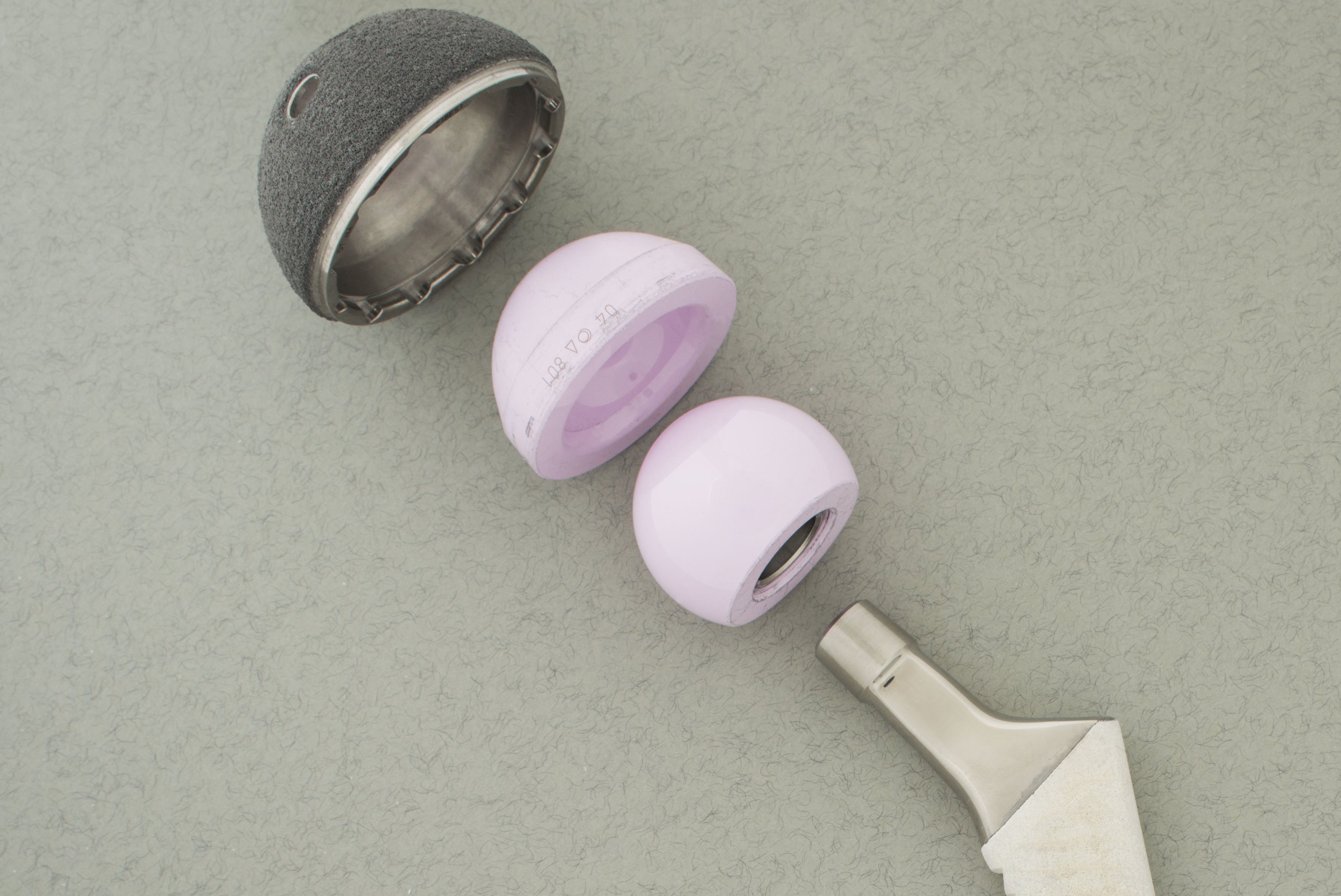
What are the cost-effective implants in hip replacement surgery?

New research led by the Hip Implant Prosthesis Study (HIPS) team at the University of Bristol Medical School has shown that small-head (less than 36 mm in diameter) cemented metal-on-plastic hip replacements are the most cost-effective in men and women older than 65 years. For adults younger than 65, small-head cemented ceramic-on-plastic hip replacements are more likely to be cost-effective. The study found no evidence that uncemented or hybrid hip replacements are cost-effective options, while large-head implant sizes (more than 36 mm) are also not cost-effective.

Prescribing antibiotics for children with cough in general practice does not reduce hospitalisation risk

Doctors and nurses often prescribe antibiotics for children with cough and respiratory infection to avoid return visits, symptoms getting worse or hospitalisation. In a study published in the British Journal of General Practice today [Tuesday 11 September], researchers from the Universities of Bristol, Southampton, Oxford and Kings College London found little evidence that antibiotics reduce the risk of children with cough ending up in hospital, suggesting that this is an area in which unnecessary antibiotic prescribing could be reduced.

Incarceration is likely to increase HIV and HCV transmission among people who inject drugs, new study finds

Injecting drug use, through the sharing of needles, syringes and other injecting equipment, is a primary route of transmission for both HIV and hepatitis C virus (HCV), blood-borne infections that cause considerable morbidity and mortality worldwide. New research led by the University of Bristol has found among people who inject drugs, that recent incarceration was associated with an 81 per cent and 62 per cent increase in HIV and HCV acquisition risk, respectively.