
Researchers to investigate using AI to detect disease in dairy cows earlier
Researchers from University of Bristol have received funding to investigate whether Artificial Intelligence (AI) could be used to detect disease in dairy cows earlier.
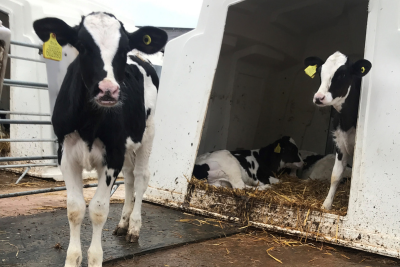
Researchers from University of Bristol have received funding to investigate whether Artificial Intelligence (AI) could be used to detect disease in dairy cows earlier.
Researchers at the University of Bristol have made a remarkable step forward in finding a potential cure for a type of childhood kidney disease.
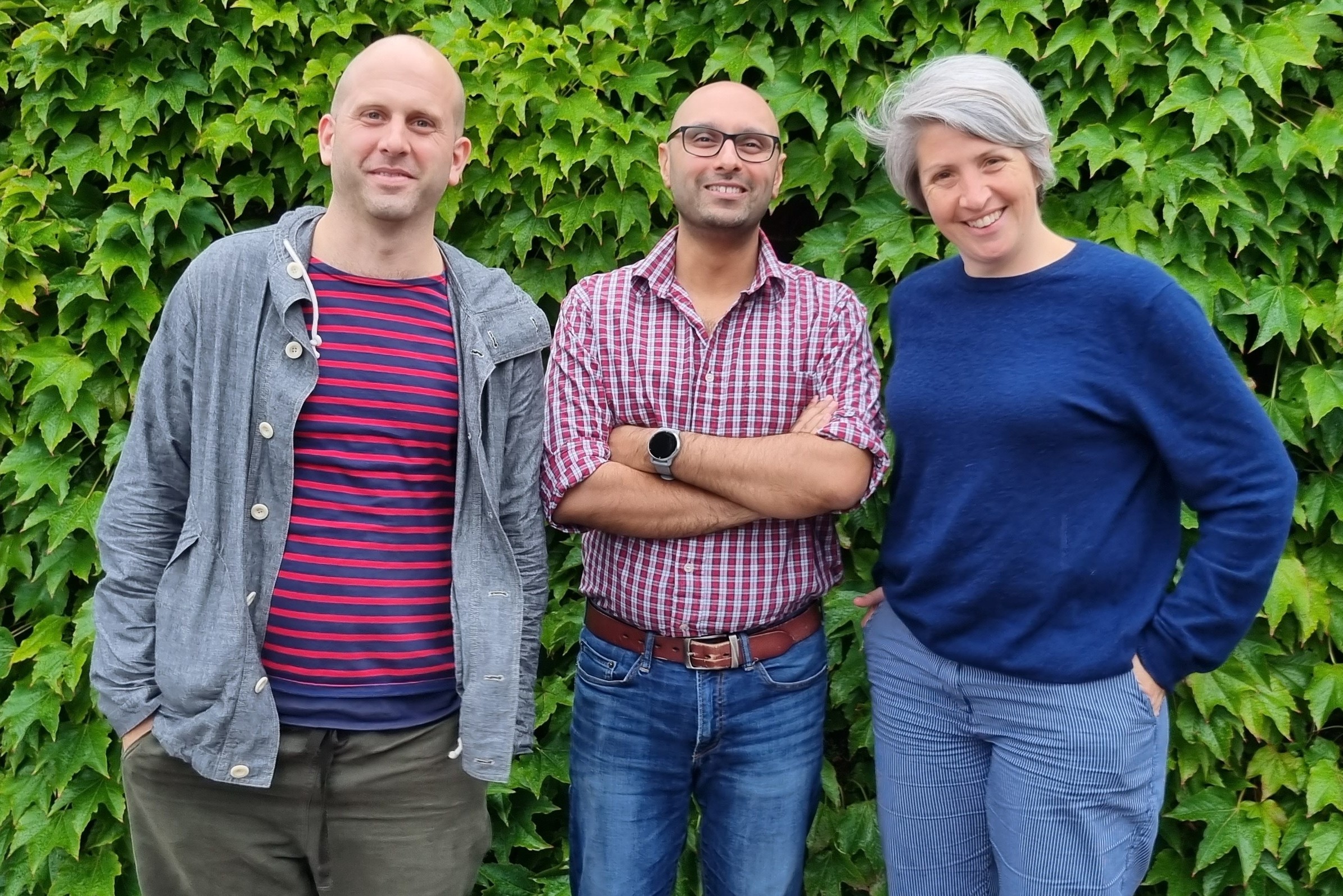
Three clinicians based in the Academic Respiratory Unit (ARU) have been successful in gaining prestigious and highly competitive clinical academic funding from the National Institute for Health and Care Research (NIHR) and the Medical Research Council (MRC).
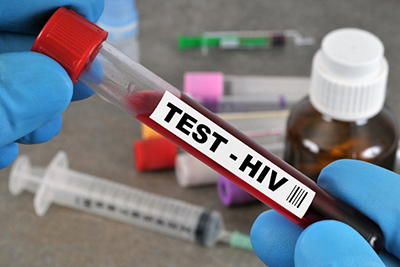
Researchers from seven international institutions hope to transform traditional strategies used to tackle global HIV prevention for key populations particularly affected by the virus, thanks to a new £5 million Wellcome Discovery award to Professor Peter Vickerman at the University of Bristol.
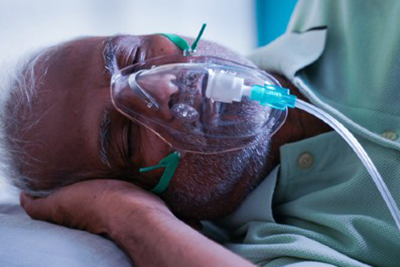
A pneumonia trial – the largest ever – will investigate whether aspirin can reduce the risk of a heart attack or stroke in patients who are admitted to hospital with pneumonia.

The founding director of Good Grief Festival whose University of Bristol research has supported thousands of people through serious illness and bereavement will attend one of the first Garden Parties of King Charles III and The Queen’s reign in recognition of her work.

The University of Bristol is into the semi-finals of University Challenge for the first time.
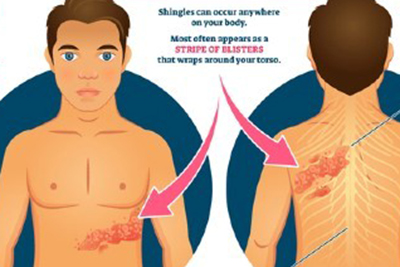
Patients with newly diagnosed shingles are already taking part in the largest trial of its type in the world but even more patients are needed to help. The study, being run by the University of Bristol and funded by the National Institute for Health and Care Research (NIHR), wants to find out if the long-term pain caused by shingles that commonly persists after the rash has healed can be prevented.

Hotter, more humid weather conditions and a history of overheating may be factors in predicting whether a Thoroughbred racehorse will suffer an incident of exertional heat illness (EHI), according to new research led by the University of Bristol and published today [14 March] in Scientific Reports. The findings, based on data from British racecourses, could be used to reduce the risk of racehorses experiencing EHI, particularly given the warming climate and more frequent hot race days.

Change is needed to the way safer sleep information is communicated, if risks to babies from unsafe sleeping practices are to be reduced, according to a new report from the universities of Oxford, UCL, Bristol and Newcastle. This was prompted by the government, in the wake of sudden death in infancy data, in an attempt to identify what type of support was needed to reduce the incidence in all families.