
Faculty of Health Sciences

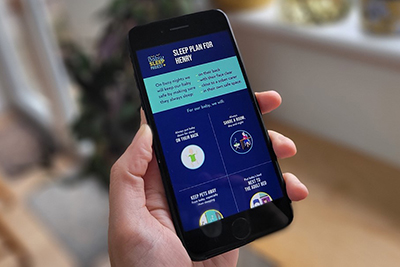
New baby sleep planner tool could help save babies lives at risk of sudden infant death

A new web-based baby sleep planner, developed by researchers at the University of Bristol, could help save babies lives from sudden infant death syndrome or SIDS, a study suggests. The sleep planner tool is a new way to find out about babies risks and help keep them safe whilst sleeping. Although SIDS is rare, with one death in 3,000 to 4,000 births in England, this new tool, funded by the National Institute for Health and Care Research (NIHR), could help reduce unexplained infant deaths.

Diet in childhood linked to blood vessel damage in teenage years

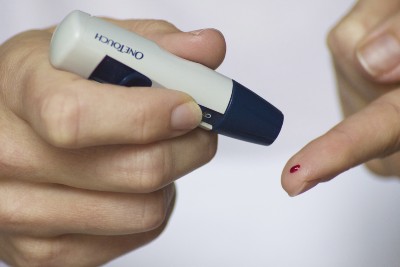
Diets high in calories, fat and sugar in childhood can cause damage to blood vessel function, known to heighten the risk of early heart attacks and strokes, as early as adolescence according to research funded by the British Heart Foundation (BHF). The team behind the University of Bristol-led study, published in the British Journal of Nutrition today [10 January], say their findings highlight the importance of healthy eating habits throughout life to protect heart health.

Bristol Veterinary School celebrates 75 years of educating veterinary students and advancing animal health and wellbeing

This year – 2024 – the University of Bristol's Veterinary School is celebrating 75 years of educating veterinary students and advancing veterinary science. From improving livestock welfare to tackling food security and antimicrobial resistance, using artificial intelligence to detect disease and working to conserve highly threatened mammals, Bristol Veterinary School has helped to advance veterinary medicine, animal welfare and health around the world.

£1.74 million to improve life-saving potential of stem cell treatment for blood cancer

Outcomes for patients with blood cancer could be improved in future thanks to a £1.74 million Cancer Research UK award. The University of Bristol-led research, comprising an international team of scientists and clinical academics, will investigate why stem cell transplantation, which is used to treat blood cancers, cures the disease in some patients but can fail or cause severe side effects in others.