
Bristol Population Health Science Institute

Eliminating hepatitis C in Pakistan could yield a return-on-investment of US$9.10 billion

Pakistan has one of the highest rates of hepatitis C virus (HCV) infection in the world, accounting for over ten per cent of global HCV infections. A new modelling study led by the University of Bristol, UK, suggests that achieving the World Health Organization goal of eliminating HCV as a public health problem by 2030 in Pakistan is likely to be highly cost-effective by 2030, cost-saving by 2031, and could deliver US$9.10 billion in savings to the Pakistan national economy by 2050.

SARS-CoV-2 transmission model suggests primary school infection could be greater this autumn than in 2020

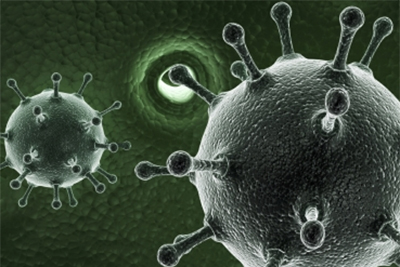
The SARS-CoV-2 epidemic has already had a major impact on children's education, with schools having been required to implement infection control measures that have led to long periods of absence and classroom closures. With the new school year underway, risk modelling specialists at the University of Bristol have developed a new epidemiological model for SARS-CoV-2 transmission that forecasts primary school infection outbreaks could be more frequent and possibly substantially larger this autumn than in 2020, due to the more transmissive and infectious Delta variant and projected increase in community infection.