
Bristol Population Health Science Institute

£6.6 million for major UK non-communicable disease prevention project

The University of Bristol, in partnership with the Universities of Bath, West of England, Manchester, Reading and Cardiff and Bristol City Council and Greater Manchester Combined Authority, has been awarded £6.6 million by the UK Prevention Research Partnership (UKPRP) to tackle unhealthy urban planning and development linked to non-communicable diseases (NCDs) such as heart disease, obesity, poor mental health, cancer and diabetes.

Structural racism and cultural misunderstanding compound grief for Black British and Black Caribbean communities, study finds

Inequities in how bereavement is experienced and supported among people of Black British and Black Caribbean heritage in England has been revealed in a new study led by the University of Bristol. The research, published in Death Studies today [2 December], calls for widespread changes to improve bereavement experiences and access to support for Black British and Black Caribbean communities.

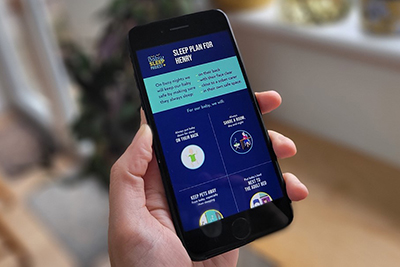
New baby sleep planner tool could help save babies lives at risk of sudden infant death

A new web-based baby sleep planner, developed by researchers at the University of Bristol, could help save babies lives from sudden infant death syndrome or SIDS, a study suggests. The sleep planner tool is a new way to find out about babies risks and help keep them safe whilst sleeping. Although SIDS is rare, with one death in 3,000 to 4,000 births in England, this new tool, funded by the National Institute for Health and Care Research (NIHR), could help reduce unexplained infant deaths.

Community-based early HIV testing and treatment could successfully manage and prevent emerging HIV outbreaks among people who inject drugs, study suggests

Community-based testing and treatment response to Glasgow’s HIV outbreak among people who inject drugs (PWID) successfully brought the 2015 outbreak under control, modelling led by academics at the University of Bristol suggests. The study’s findings, published in The Journal of Infectious Diseases (JID), indicate that approximately three times as many people would have been infected by 2020 if these interventions had not been implemented.