
Thousands to be invited to Bristol health study’s biggest ever clinic, starting this September
Over 20,000 participants will be invited to Bristol health study Children of the 90s’ biggest ever clinic which has launched today (Friday 17 September).
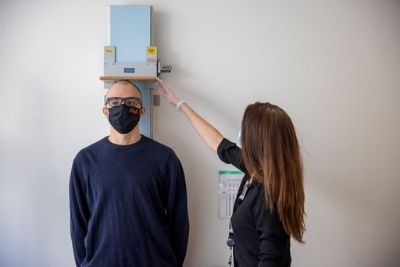
Over 20,000 participants will be invited to Bristol health study Children of the 90s’ biggest ever clinic which has launched today (Friday 17 September).
A research team at the University of Bristol has won a prestigious international award for a technology that could help in the fight against antibiotic resistance.
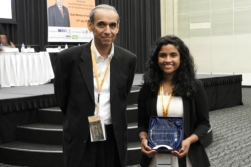
Dr Duleeka Knipe, from the Bristol Medical School at the University of Bristol, has received the prestigious Andrej Marusic Award in recognition of her outstanding research into suicide prevention.

Risk factors for heart health seem to be linked to changes over time in the quality of marital relationships — at least for men — finds a University of Bristol study published in the Journal of Epidemiology & Community Health.
The University will receive €13M for globally significant research into anti-microbial resistance, artificial reproduction, futuristic materials, quantum mechanics, the philosophy of evolution and a truth taskforce to combat misinformation.
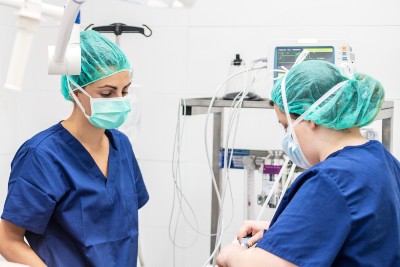
Findings from a study published today [6 July] in the Journal of the American Medical Association (JAMA) have prompted new World Health Organization (WHO) recommendations to use interleukin-6 antagonists in patients with severe or critical COVID-19 along with corticosteroids.
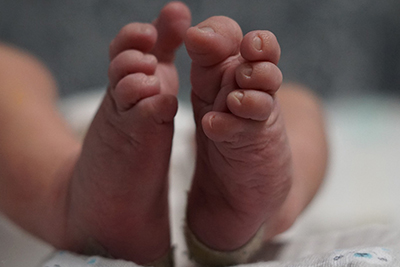
Young infants show strong immune responses to SARS-CoV-2, new research has found. In particular, compared with adults, young infants produce relatively high levels of antibodies and immune cells that can specifically protect against COVID-19.

Actions to reduce the number of babies born before 37 weeks’ gestation and improve their outcomes are among the recommendations made by the University of Bristol National Child Mortality Database (NCMD) team, who carried out national analysis of child deaths in England. This is one of the findings, published today [10 June] in NCMD’s second annual report, which aims to learn lessons from all child deaths in order to reduce the number of children who die in the future.
.jpg)
Teenagers who use cannabis frequently may be more likely to have children born preterm, when they become parents up to twenty years later, finds a new University of Bristol-led study. The research, published in Scientific Reports, repeatedly assessed 665 participants in a general population cohort on their tobacco and cannabis use between ages 14 to 29 years, before pregnancy.

New guidance for GPs and other health professionals on how to interpret and communicate results from Lateral Flow Device (LFDs) tests based on the current understanding of the tests’ performance is published in the BMJ. Researchers from the Universities of Bristol, Cambridge, and Trinity College Dublin have devised a calculator which aims to help doctors, who are increasingly asked by patients what they should do after receiving their results, to better advise patients on what their LFD test result means.